

How to Protect Your Lawn During Summer Heatwaves
When summer heatwaves hit, your lawn can quickly show signs of stress. Prolonged exposure to high temperatures, strong sun, and reduced rainfall can lead to wilting, brown patches, and weakened grass. Fortunately, with a few strategic adjustments, you can protect your lawn and help it stay resilient—even during the hottest days of the year.
Here are practical tips to help your lawn survive and thrive through the summer heat.
1. Water Deeply and Infrequently
During heatwaves, watering your lawn properly is the most important step you can take.
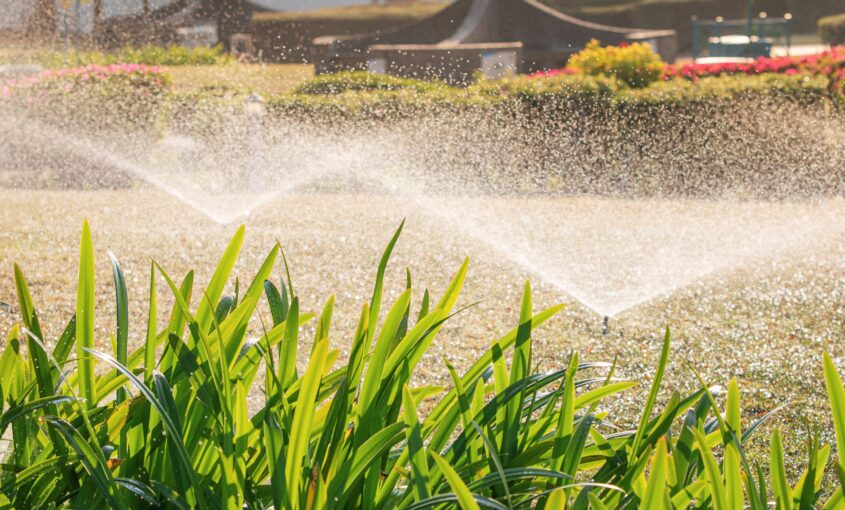
Deep, infrequent watering encourages grass roots to grow deeper, making your lawn more drought resistant. Aim to water early in the morning, between 5 a.m. and 9 a.m., to reduce evaporation and allow the water to soak in before the sun is at its strongest.
Pro Tip: Your lawn needs about 1 to 1.5 inches of water per week, including rainfall. Use a rain gauge or small container to measure how much your sprinkler is delivering.
2. Raise Your Mower Blade
Cutting grass too short during high temperatures puts extra stress on your lawn.
Raise your mower blade and cut grass no shorter than 3–4 inches during hot spells. Taller grass helps shade the soil, retain moisture, and promote deeper root growth, all of which are critical during extreme heat.
Also, make sure your mower blade is sharp—dull blades tear down the grass, making it more vulnerable to disease and further stress.
3. Avoid Heavy Foot Traffic
Lawns already under heat stress don’t recover well from additional pressure. Minimize foot traffic on grass during heatwaves to prevent soil compaction and damage to weakened turf. Create clear walking paths or encourage family and pets to stay off the grass when possible.
4. Hold Off on Fertilizing
Fertilizing during a heatwave can do more harm than good. Feeding your lawn in high heat can encourage new growth that your grass may not have the energy to support, increasing the risk of burning or disease.
Wait until the temperatures stabilize before applying any fertilizer. If your lawn looks brown but still feels springy underfoot, it’s likely just dormant—not dead—and will bounce back with proper care.
5. Leave Grass Clippings on the Lawn
Mulching your clippings instead of bagging them can help insulate the soil and return moisture and nutrients back to your lawn. This small adjustment provides a natural way to improve soil health during dry periods.
6. Watch for Signs of Heat Stress
Signs of heat stress include:
• Grass turning bluish gray
• Grass that stays flat after being walked on
• Slow growth and dry, brittle blades
Catching these early allows you to adjust your care routine before lasting damage sets in.
Give Your Lawn the Summer Protection It Deserves
Heatwaves are tough, but with the right care, your lawn can power through. Smart watering, proper mowing, and avoiding stressors are key to keeping your grass strong and healthy.
Do you need expert help maintaining your lawn through the summer heat? Perennial Lawn Care offers seasonal lawn services designed to protect your yard in every condition. Contact us today and let us help you beat the heat.
Posted on